
Brochure
View our 2020 financial prospectus brochure for an easy to read guide on all of the services offer.
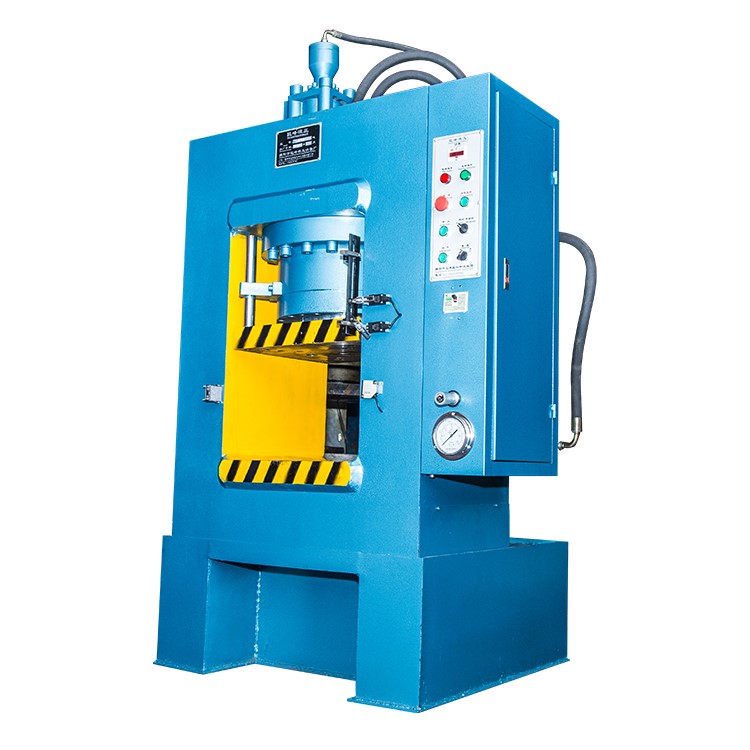
Vertical Lift
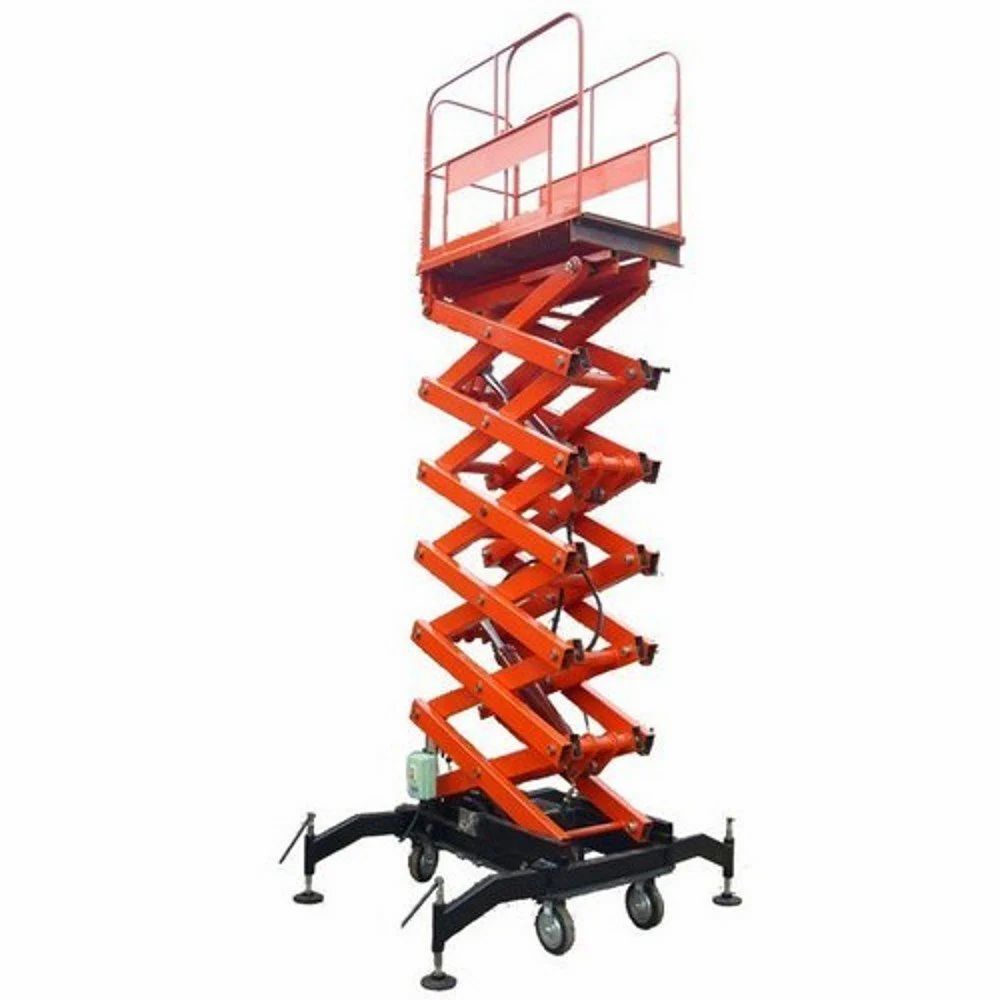
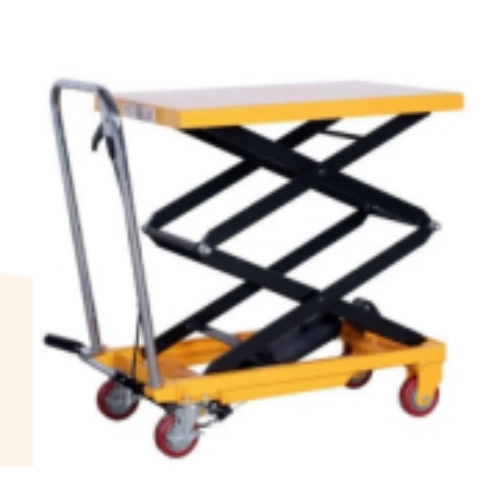
A hydraulic lift is a device that uses hydraulic fluid and pressure to lift heavy objects. It operates based on Pascal's Principle, which states that when pressure is applied to a confined fluid, it is transmitted equally in all directions.
Components of a Hydraulic Lift:
-
Hydraulic Fluid – A non-compressible liquid (e.g., oil) that transmits pressure.
-
Pump – Moves the hydraulic fluid to create pressure.
-
Cylinder & Piston – A large piston moves upward when fluid is forced into the cylinder.
-
Valve – Controls the flow of fluid, allowing lifting or lowering of the platform.
How It Works:
-
A pump pushes hydraulic fluid into the cylinder.
-
The pressure generated forces the piston to rise, lifting the load.
-
To lower the lift, a valve releases fluid back to the reservoir, reducing pressure.
Applications of Hydraulic Lifts:
-
Automobile Repair Shops – Used to lift cars for maintenance.
-
Warehouses & Factories – Used for material handling.
-
Elevators & Lifts – Some elevators use hydraulic systems.
-
Construction & Mining – Heavy machinery uses hydraulic lifts for movement.
Would you like details on a specific type of hydraulic lift?